Every Shop Online
Advertise Your Product Free
- Every Shop Online
- Advertise Your Product Free
- Upload unlimited products and reach more local buyers


Business Information: provides products/services directly to customers.
Platform Role: Dookan24 only lists this business and does not participate in transactions.
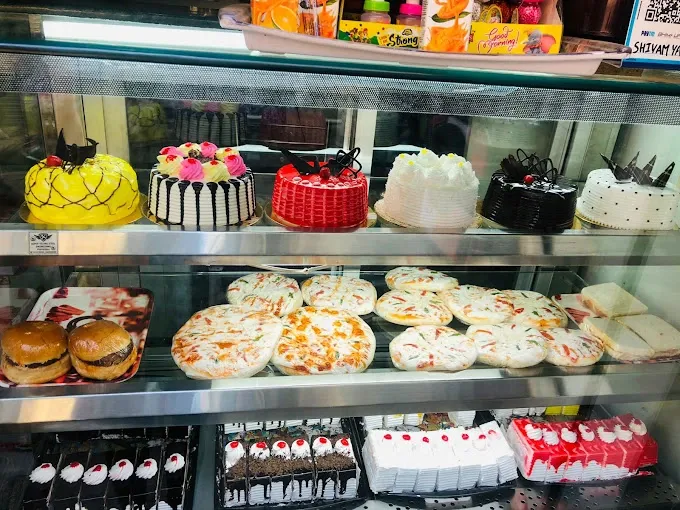
Celebrate every special moment with sweetness and joy at Baker World, a popular and trusted cake shop in Varanasi, UTTAR PRADESH. Known for its delicious cakes, fresh pastries, and delightful desserts, the bakery offers a wide variety of treats perfect for birthdays, anniversaries, weddings, parties, and everyday celebrations. Every product is prepared with care to ensure the best flavor, freshness, and visual appeal.
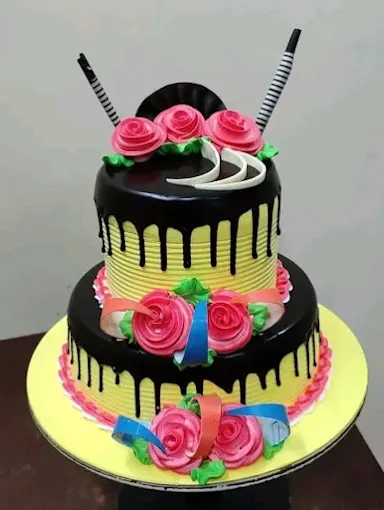
At Baker World, each cake is crafted using premium-quality ingredients to achieve a perfect balance of taste and texture. Whether you prefer classic flavors like chocolate, vanilla, butterscotch, or are looking for unique, custom-designed cakes, the bakery offers options that cater to every preference. Their designer cakes are especially popular for special events, adding a creative and personalized touch to celebrations.
Beyond cakes, the bakery also provides a wide selection of pastries, cupcakes, cookies, and other freshly baked desserts. These treats are ideal for gifting, gatherings, festive events, or simply enjoying a sweet moment with friends and family. Every item reflects the bakery’s commitment to quality, attention to detail, and customer satisfaction.
Widely recognized in Varanasi for its quality and reliable service, Baker World continues to innovate by introducing new flavors, seasonal varieties, and trending cake designs. Customers appreciate the bakery’s consistency, creativity, and dedication to offering fresh and exceptional baked goods throughout the year.
The team at Baker World focuses on providing a warm and helpful experience for each customer. Whether you need assistance choosing the right cake, want guidance on flavors, or require a custom design for a special occasion, the staff is always ready to help. Their friendly approach and attention to customer needs add value to every visit.
Visit Baker World today to explore a delightful collection of cakes, pastries, and desserts. Enjoy expert baking, premium ingredients, and personalized service that make every celebration in Varanasi memorable and extra special.
About the Company: Baker World is a listed business under the Cake Shop category, operating in Varanasi. The company provides its services directly to customers and is responsible for all service-related commitments.
Platform Information: Dookan24 is an online business directory that helps users find local businesses across different categories such as healthcare, education, home services, and more.
Disclaimer: Dookan24 does not provide any services listed on this page. All services are offered by independent third-party businesses. We do not guarantee service quality, pricing, or availability. Users should verify details directly with the business before proceeding.
113

The information available on this website is collected from various internet sources, public records, and user submissions. While we make every effort to keep the information accurate, updated, and reliable, we do not make any warranties or guarantees about its completeness. Read More
Own this business? Claim this listing to manage your profile, update phone numbers, add products and photos, and receive customer leads from Dookan24.
Own this business? Claim this listing to manage your profile, update phone numbers, add products and photos, and receive customer leads from Dookan24.
The information available on this website is collected from various internet sources, public records, and user submissions. While we make every effort to keep the information accurate, updated, and reliable, we do not make any warranties or guarantees about its completeness. Read More
Opening and closing hours for are provided below. Timings may vary on holidays, festivals, or special occasions.



Good
Tried their black forest and it was worth the money. Go for it.
Baked goods have been around for thousands of years. The art of baking was developed early during the Roman Empire. It was a highly famous art as Roman citizens loved baked goods and demanded for them frequently for important occasions such as feasts and weddings etc. Due to the fame and desire that the art of baking received, around 300 BC, baking was introduced as an occupation and respectable profession for Romans. The bakers began to prepare bread at home in an oven, using mills to grind grain into the flour for their breads. The oncoming demand for baked goods vigorously continued and the first bakers' guild was established in 168 BC in Rome. This drastic appeal for baked goods promoted baking all throughout Europe and expanded into the eastern parts of Asia. Bakers started baking breads and goods at home and selling them out on the streets. This trend became common and soon, baked products were getting sold in streets of Rome, Germany, London and many more. This resulted in a system of delivering the goods to households, as the demand for baked breads and goods significantly increased. This provoked the bakers to establish a place where people could purchase baked goods for themselves. Therefore, in Paris, the first open-air bakery of baked goods was developed and since then, bakeries became a common place to purchase delicious goods and get together around the world. By the colonial era, bakeries were commonly viewed as places to gather and socialize.[2] On July 7, 1928, a bakery in Chillicothe, Missouriintroduced pre-cut bread using the automatic bread-slicing machine, invented by inventor Otto Frederick Rohwedder. While the bread initially failed to sell, due to their "sloppy" aesthetic, and the fact they went stale faster,[3] they later caught on, and in World War II when sliced bread was effectively banned due to their machines being called in for wartime use, creating 100 tonnes of metal alloy stock, the decision proved very unpopular with housewives.[4] World War II directly affected bread industries in the UK. Baking schools closed during this time so when the war did eventually end there was an absence of skilled bakers. This resulted in new methods being developed to satisfy the world’s desire for bread. Methods like: adding chemicals to dough, premixes and specialised machinery. Unfortunately, these old methods of baking were almost completely eradicated when these new methods were introduced and became industrialised. The old methods were seen as unnecessary and financially unsound, during this period there were not many traditional bakeries left.